February is Heart Health Month
Heart disease is the leading cause of death in the U.S., with 1 in 5 deaths attributed to it.
Someone has a heart attack every 40 seconds.
About 1 in 5 heart attacks are “silent,” with damage occurring without symptoms.
KEY RISK FACTORS FOR HEART DISEASE
High Blood Pressure: Nearly 47% of U.S. adults have hypertension
Obesity: Over 72% of adults have an unhealthy weight, with nearly 42% having obesity
Diabetes/Prediabetes: More than half of U.S. adults have Type 2 diabetes or pre-diabetes
Unhealthy Lifestyle: Poor diet, inactivity, tobacco use, and alcohol harm heart health
Depression: Adults with a depressive disorder or symptoms of depression have a 64% chance of developing coronary heart disease
Common Heart Health Questions
Knowing what causes high blood pressure can help you understand why quick fixes aren’t the answer, Nesbitt said.
High blood pressure, or hypertension, damages blood vessels. Usually, that happens over time, in a “slow build,” Nesbitt said. And because blood vessels are everywhere, it can lead to problems in the heart, brain, kidneys and more.
Family history and lifestyle play a role in who develops high blood pressure, Nesbitt said. Some of the family influence is genetic, but your upbringing determines what you eat and how you exercise as a child, and “those patterns live with you for a long time.”
Stress, sleep disorders and whether you smoke also raise your risk.
Prescription medications might be needed to control high blood pressure. But lifestyle changes can help over time, Nesbitt said. Eating less sodium, or salt, and getting enough potassium through a diet full of fruits and vegetables are important. So is staying active.
BMI stands for body mass index. “Basically, it is a way of indexing your weight to your height,” Nesbitt said. Taller people should weigh more. Shorter people should weigh less. The National Heart, Lung and Blood Institute provides a calculator.
Keep reading before you get too focused on that number, though.
BMI was conceived as a tool for evaluating obesity in large groups of people, Nesbitt said. It’s not as good for evaluating individuals.
A BMI of less than 25 is considered minimal risk, 25 to 29.9 is considered overweight, and over 30 is considered obese. But because muscle weighs more than fat, fit people with lots of muscle will have a high BMI. And the definitions differ among people of different racial and ethnic backgrounds, Nesbitt said. What’s healthy for a Black or white woman in the U.S. might not be for a woman of South Asian background, for example.
Maintaining a healthy weight is essential for health. But as a tool for measuring weight, Nesbitt said, BMI is best thought of as “a rough estimate.”
As with blood pressure, it helps to understand what causes unhealthy cholesterol levels before you try to deal with them.
Blood cholesterol tests usually include numbers for HDL (“good”) and LDL (“bad”). Some people have a genetic predisposition for high cholesterol, which is why getting screened early is important. A diet high in saturated fat can affect cholesterol levels as well.
In time, high LDL cholesterol levels can lead to plaque buildup in the walls of your arteries, raising your risk of heart attack or stroke.
So if you need to control your cholesterol levels, “long story short, diet and exercise are the ways,” Nesbitt said. “But if you’re beyond a certain level, you’ll need medications.”
Eating more fruits and vegetables helps, Nesbitt said. Over-the-counter supplements shouldn’t be taken without consulting your doctor, though.
Aerobic, or cardio, exercise is activity that gets your heart rate up.
“Walking definitely counts,” Nesbitt said. Other moderate-intensity aerobic activities include biking, gardening and dancing. Vigorous-intensity aerobic activities include running, swimming laps and jumping rope.
“Any form of exercise is good for you,” Nesbitt said, but different types benefit you in different ways.
The American Heart Association recommends adults get at least 150 minutes a week of moderate-intensity aerobic exercise, 75 minutes a week of vigorous aerobic exercise, or a combination of both. Those who are able should also do muscle-strengthening activities of moderate to high intensity at least two days a week.
Hitting your aerobic exercise goals can be easier than you think, Nesbitt said. Walking from your car to your workplace counts, for example – so you can boost your minutes by parking a short distance away instead of right at the front door.
Men are more likely to experience well-known heart attack symptoms such as sudden pain in the chest, Nesbitt said. “Women get things like, ‘Oh, my shoulders hurt, or ‘I'm just kind of having a little more difficulty moving around.’”
Heart attack symptoms in women also can include:
- Uncomfortable pressure, squeezing, fullness or pain in the center of their chest
- Pain or discomfort in the arms, back, neck, jaw or stomach
- Anxiety
- Shortness of breath
- Unusual tiredness and weakness
- Breaking out in a cold sweat
- Nausea
- Lightheadedness
“It's important for women to know that it’s different, because the signs are more subtle for women than they are for men,” Nesbitt said. And women’s symptoms are more likely to be overlooked or assumed to be something like indigestion or fatigue.
PREVENTION & MANAGEMENT
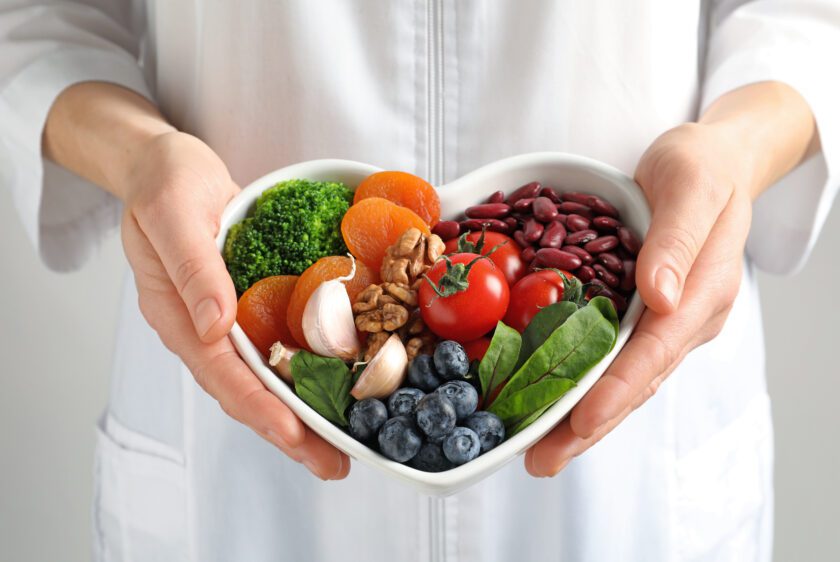
Lifestyle is key: a healthy diet, regular exercise, quitting smoking, and limiting alcohol significantly reduce the risk for heart disease.
Know your numbers: getting regular annual health screens at Health WoRx can help assess your risk, catch rising numbers while the risk is still low and treatable, and help you treat them. Numbers to watch are blood pressure, cholesterol, BMI and blood sugar.